
Tackling Common Obstacles in Ground Preparation Projects
In construction, ground preparation is often the first crucial step. It’s essential for ensuring a stable base for any structure. However, various challenges can arise during this process. These may include issues with soil type, unexpected weather conditions, or equipment limitations. Understanding these challenges is key to successful project completion. By addressing them effectively, projects can stay on schedule and within budget.
Importance of Soil Type
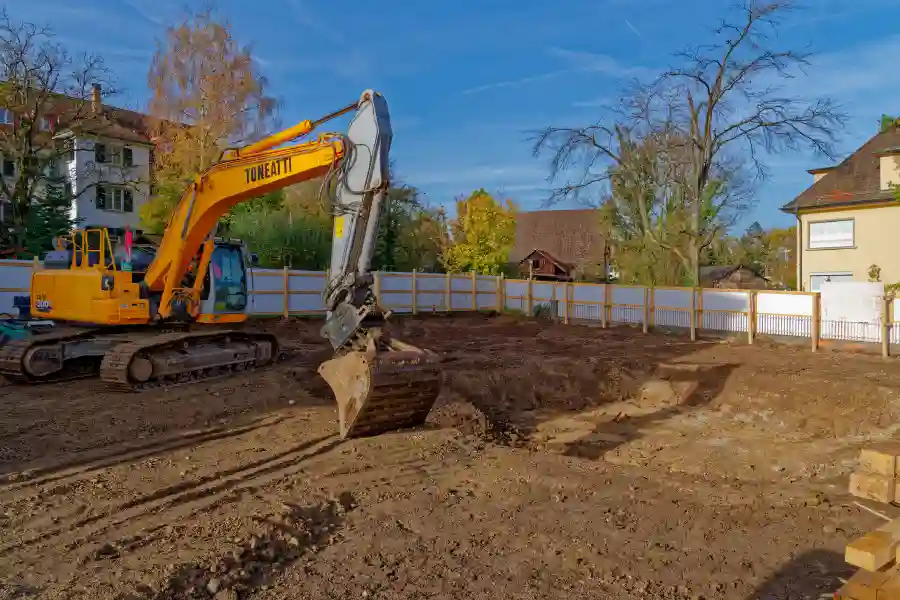
The type of soil at a construction site plays a significant role in how you approach ground preparation. Different soils have different characteristics, such as clay’s stickiness or sand’s lack of cohesion. Identifying the soil type can help determine the best methods for excavation and grading. This ensures that the foundation remains solid over time.
Impact of Weather Conditions
Weather can greatly affect ground preparation work. Rain can cause delays by making the soil too wet or slippery to work with. In contrast, extreme heat can dry out the soil, causing it to crack. Planning for weather-related disruptions is vital. Having contingency plans allows for flexibility and helps keep the project on track even when unexpected changes occur.
Challenges With Equipment
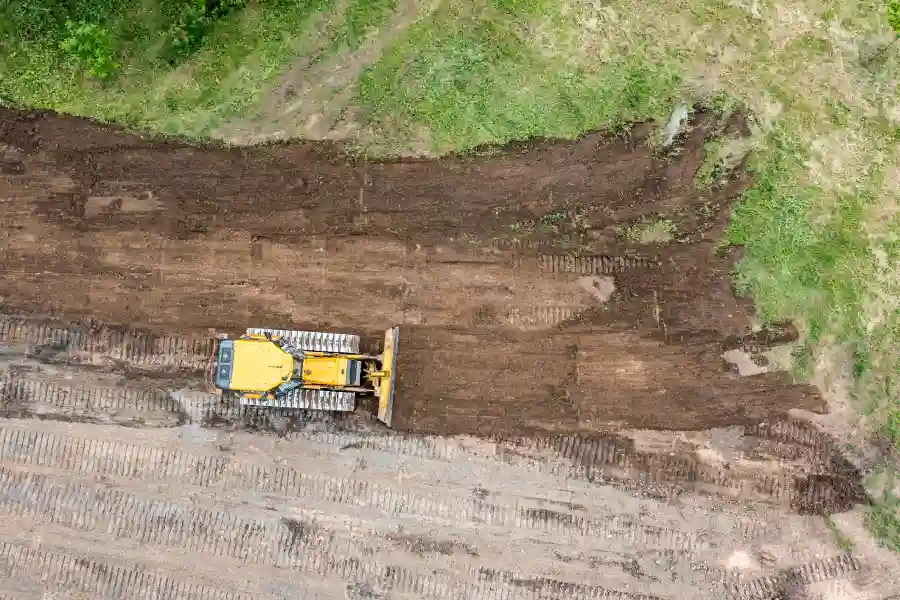
The right tools are essential for efficient excavation and grading. However, equipment breakdowns or malfunctions can lead to significant delays. Regular maintenance and having backup machinery available can mitigate these risks. Also, training operators properly ensures they handle equipment safely and efficiently, reducing the likelihood of errors.
Managing Budget Constraints
Budget constraints are common in construction projects. Overruns can happen if there are unforeseen challenges in the excavation phase. To avoid this, detailed planning and accurate cost estimations are necessary. Allocating funds for potential issues ensures that budgets remain intact even if problems arise.
Ensuring Safety Regulations
Safety is paramount in any construction activity. Adhering to safety regulations protects workers and reduces liability for companies. Ensuring all employees are trained in safety procedures is crucial. Additionally, wearing protective gear should be mandatory on site at all times to minimize accidents.
Effective Project Management Techniques
Successful ground preparation relies heavily on effective project management. Clear communication among team members ensures everyone knows their roles and responsibilities. Using software tools can streamline scheduling and resource allocation, leading to more efficient operations. Regular progress check-ins help identify potential issues early on.
Mastering Techniques for Success
A few best practices can help overcome the challenges of ground preparation:
- Conduct thorough site assessments before starting
- Create realistic timelines incorporating possible delays
- Engage experienced professionals for specific tasks
- Maintain open lines of communication with all stakeholders
These strategies not only improve efficiency but also enhance overall project quality.
Final Thoughts on Groundwork Challenges
Groundwork is fundamental to construction success and comes with its set of challenges. Addressing these effectively requires planning, skill, and communication. At JF Asphalt Services LLC, we excel in managing groundwork intricacies, ensuring projects meet industry standards while staying on budget. Reach us at (919) 884-5878 for expert guidance tailored to your needs. Our services extend throughout Burlington, NC, providing reliable solutions every step of the way.